Deployment-Ready Waste,
Water & Resource Recover
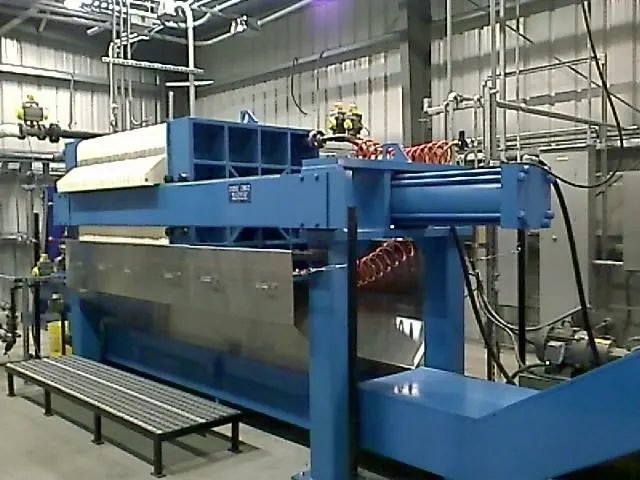
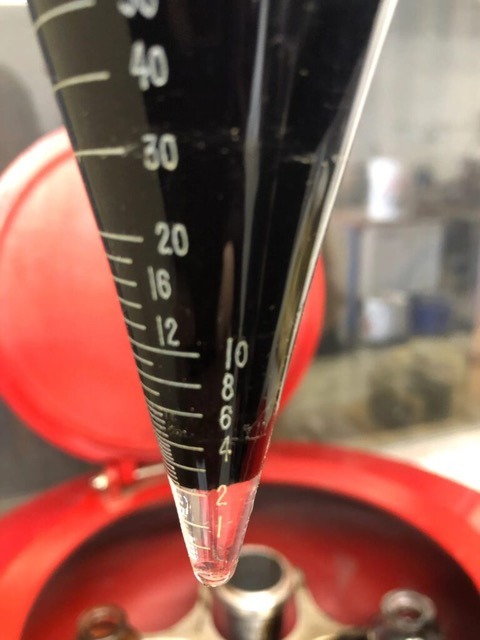
DryVAC™ is an integrated dewatering, drying, and material recovery system designed to convert complex waste streams into stable solids, recovered water, and separable material outputs across municipal, industrial, and government environments.
As part of FYVE STAR’s Water Suite™, DryVAC enables scalable, field-ready deployment for infrastructure, environmental, and resource recovery challenges.
Core System Capabilities
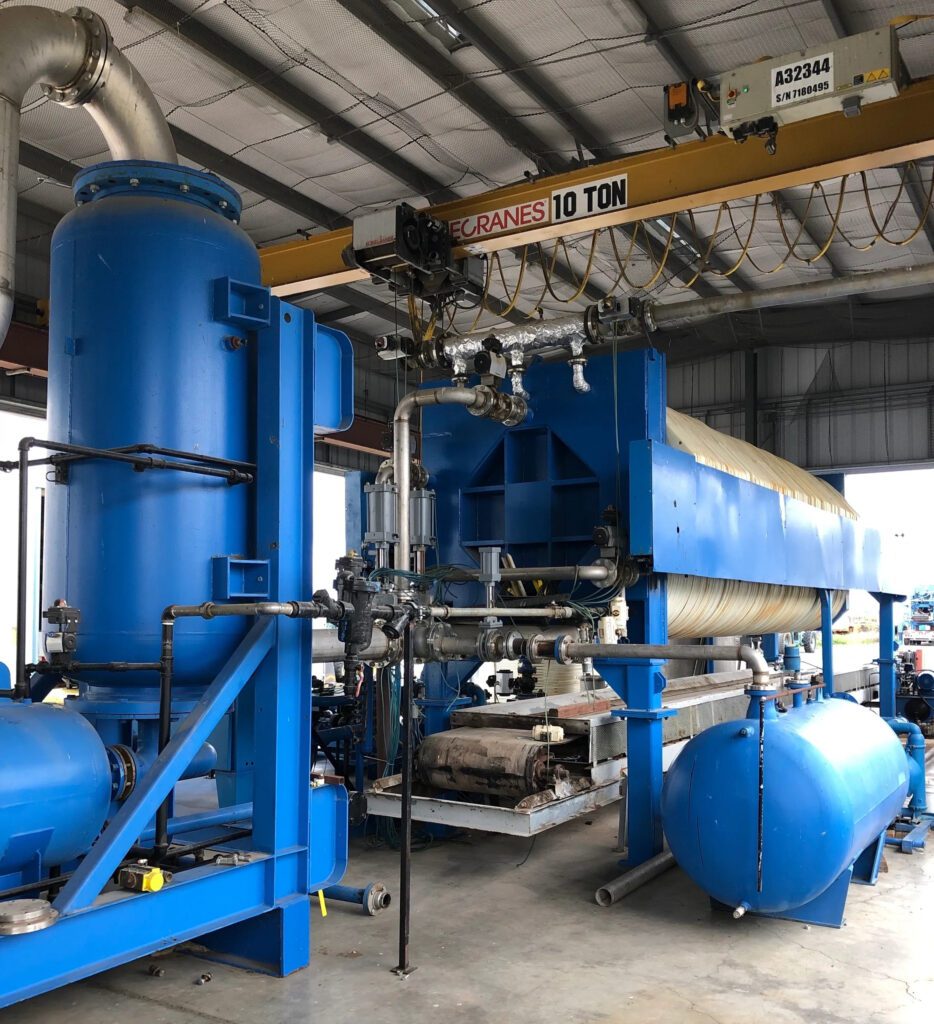
DryVAC integrates multiple processes into a single system.
- Advanced dewatering and thermal drying
- Volume reduction and waste stabilization
- Recovery of reusable water via filtration and distillation
- Pathogen elimination and biosolid stabilization
- Separation of solids and residual materials
- Support for downstream resource recovery systems
Multi-Stream Processing Capability
DryVAC is engineered to process complex and mixed waste streams, including.
- Municipal and industrial wastewater
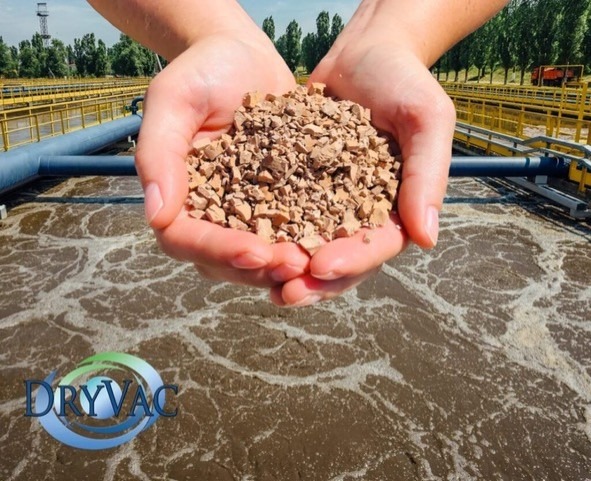
- Activated sludge and biosolids
- Hydrocarbon-laden waste streams
- Oil and gas residuals
- Chemical and industrial process waste
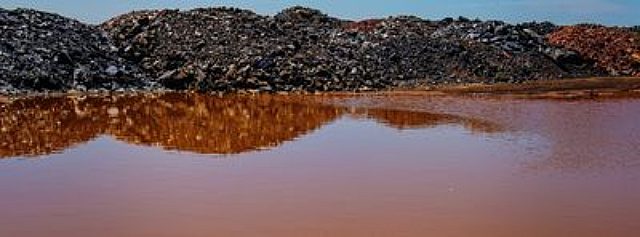
- Mining and mineral processing slurry
- Agricultural and food waste streams
DryVAC enables material separation, stabilization, and recovery across multiple industries.
Wastewater & Biosolids Processing
Activated Sludge Optimization
DryVAC addresses one of the most challenging aspects of wastewater treatment: activated sludge processing.
By treating sludge independently, the system:
- Improves plant efficiency
- Increases drying effectiveness
- Reduces downstream bottlenecks
Flexible Post-Processing Pathways
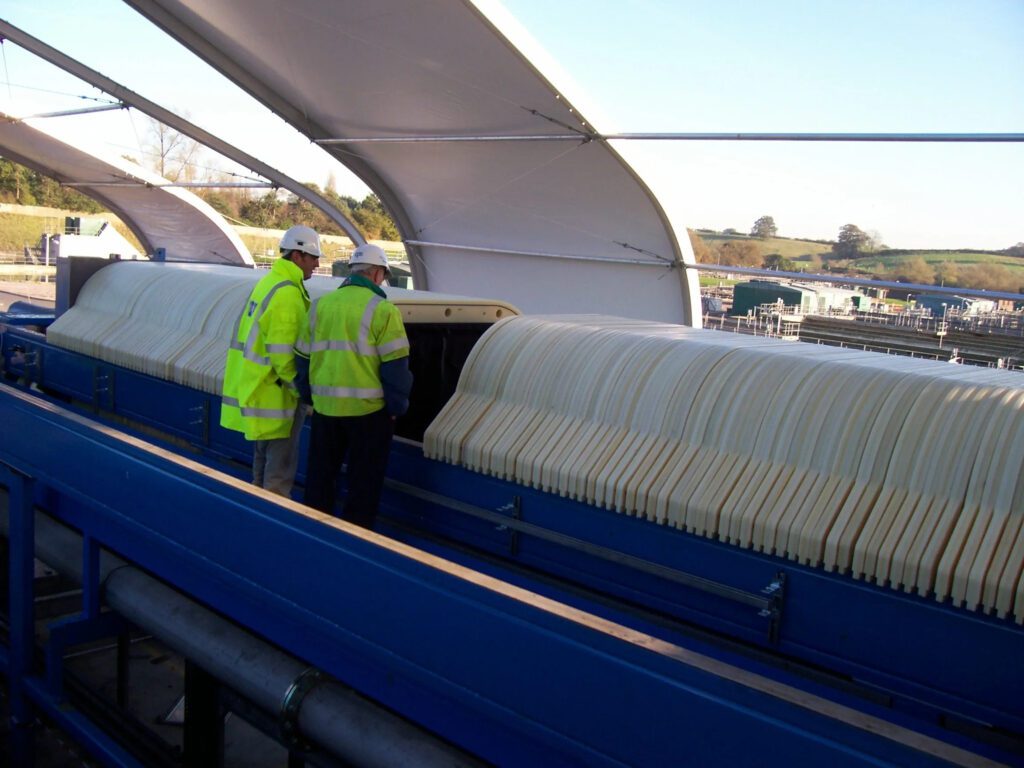
DryVAC output supports multiple downstream uses:
- Waste-to-energy systems (gasification, incineration)
- Land application and reuse
- Material and resource recovery
INDUSTRIAL & RESOURCE RECOVERY
From Waste Stream to Revenue Stream
DryVAC enables recovery of valuable materials from waste streams:
- Plastics and industrial byproducts
- Metals and mineral concentrates
- Drilling fluids and process chemicals
- Clay products and coal fines
DryVAC converts waste into recoverable assets.
AGRICULTURE & FOOD PROCESSING
DryVAC supports:
- Animal and agricultural waste processing
- Slaughterhouse and food processing residuals
- Recovery of oils and proteins for reuse
- Pasteurization of waste streams
- Reduction of landfill and methane emissions
MINING & MINERAL PROCESSING
DryVAC integrates into mining operations to:
- Improve recovery rates of precious and base metals
- Process and stabilize tailings
- Support brine and water management
- Enable recovery of process solutions
Energy & Sustainability Integration
DryVAC integrates with
- Waste-to-energy systems
- Combined heat and power (CHP)
- Thermal recovery infrastructure
Environmental Benefits
- Reduced landfill volume
- Lower methane emissions
- Reduced transport requirements
- Carbon credit potential
System Replacement Advantage
DryVAC replaces multiple conventional systems
- Belt presses
- Centrifuges
- Thermal dryers
- Evaporation ponds
One system. Reduced footprint. Lower cost.
Modular & Deployment Ready
DryVAC systems are available as:
- Mobile units
- Modular systems
- Fixed installations
With remote monitoring capability for:
- Industrial sites
- Military operations
- Remote environments
Process Flow & Treatment Stages
Integrated Processing System
DryVAC operates as a continuous system that transforms waste through defined stages:
- Intake of mixed or high-moisture waste streams
- Dewatering under controlled vacuum conditions
- Low-temperature drying and stabilization
- Water recovery through filtration and distillation
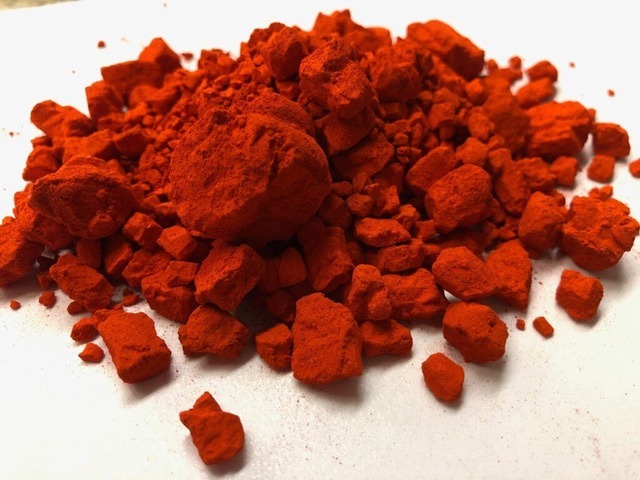
- Output of dry solids and separable materials
Process Flow Overview
Input Stream
Dewatering
Drying
Separation
Output Streams
Output Includes
Recovered Water
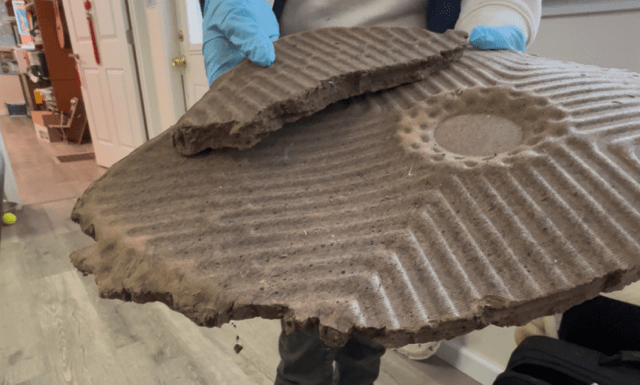
Stabilized Dry Solids
Recoverable Materials
System Operation & Process Demonstration
Visual Proof & System Demonstration
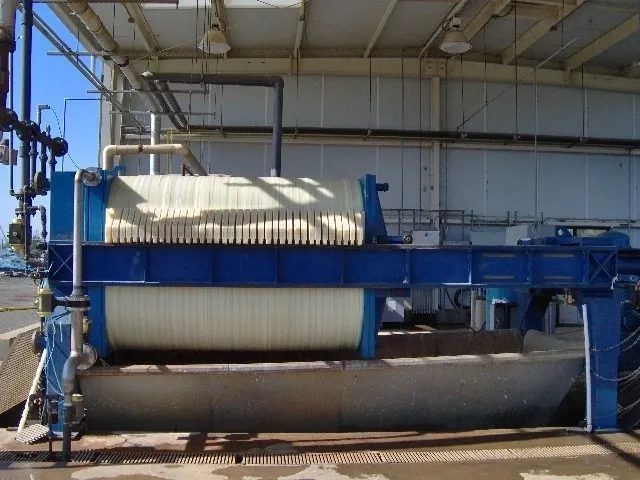
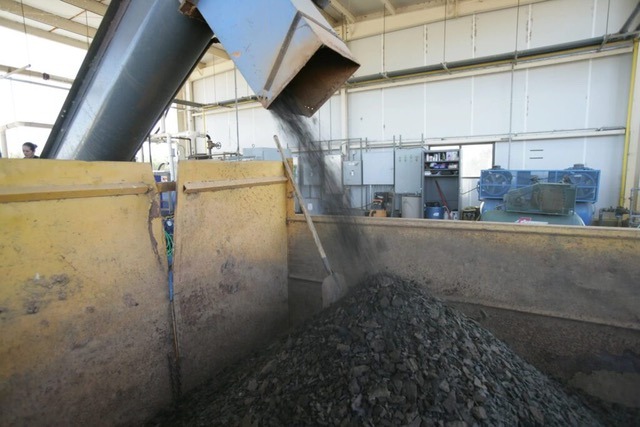
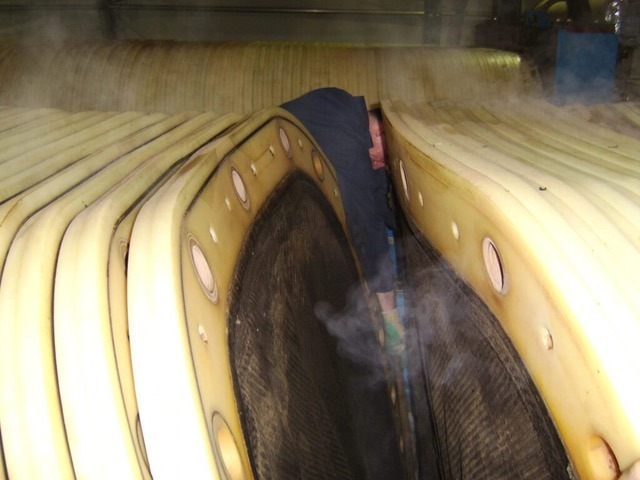
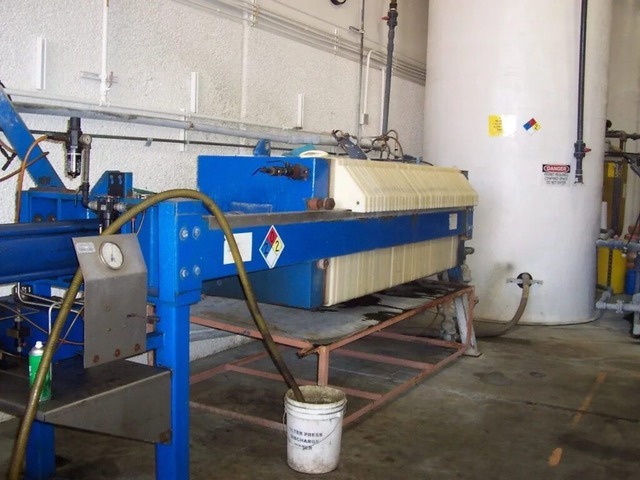
Field Deployment & System Operation
DryVAC systems are actively deployed across industrial and wastewater environments, processing real-world waste streams under operational conditions.
The system is designed for:
- Continuous operation
- Industrial-scale throughput
- Integration into existing infrastructure